
MTD for ITSA Planning support
MTD for ITSA planning support for accountants and bookkeepers who want to prepare clients, systems and practice processes before Making Tax Digital becomes another pressure point.
Making Tax Digital for Income Tax Self Assessment doesn’t have to become a last-minute scramble.
But it does need time, planning and a clear view of where your clients are now.
The Accountant’s Best Friend can work alongside your practice to help you identify what needs attention, which clients may need support and how your workflows could be prepared before the deadlines start to bite.
You already have enough on the practice to-do list. TABF can help you turn MTD preparation into something more structured, manageable and realistic.
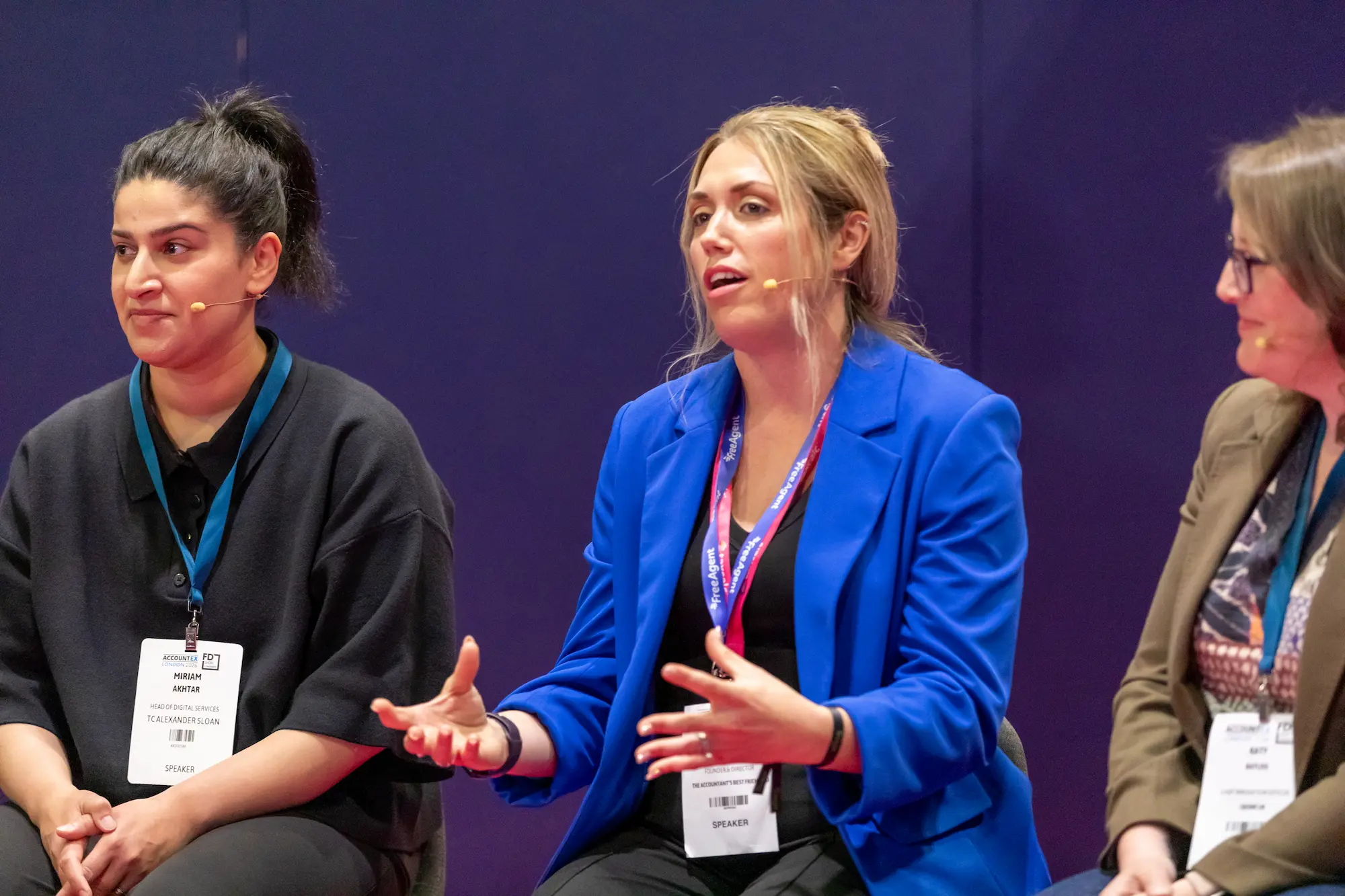
“MTD planning doesn’t have to be a last-minute scramble.
Start with where your clients are now and let’s work through the systems,
processes and support they’ll need.”
Donna Beddis, The Accountant’s Best Friend
Everyday records
MTD support for busy practices
MTD for ITSA isn’t just a client communication issue.
It affects bookkeeping processes, software choices, client readiness, internal workflows, team confidence and how your practice manages additional reporting responsibilities.
You may already know MTD is coming, but still have questions about where to start.
Which clients need reviewing first? Which clients are still using spreadsheets or paper records? Which software is suitable? Which team members need training? How will quarterly updates fit into your current workload?
TABF can help you turn those questions into a practical plan, rather than leaving them as another thing that keeps getting pushed back.
The goal is to help your practice prepare in a way that feels organised, realistic and workable alongside everything else you already do.
How TABF can help with MTD for ITSA planning
TABF can support accountants and bookkeepers with MTD for ITSA planning that fits around the way your practice works.
This can include:
- Reviewing client readiness
- Identifying clients who may need extra support
- Looking at current bookkeeping processes
- Reviewing software and digital record keeping
- Helping plan client communications
- Supporting team training around practical next steps
- Reviewing internal workflows
- Helping you think through quarterly update processes
- Acting as a sounding board for MTD planning decisions
You don’t have to work it all out from a blank page.
TABF can help you look at what’s already in place, what needs improving and where the biggest risks or pressure points may be.
Making Tax Digital
Client readiness and segmentation
Not every client will need the same level of support.
Some may already use accounting software and keep good digital records. Others may still rely on spreadsheets, paper records, annual catch-up bookkeeping or last-minute tax return preparation.
A useful MTD plan starts with understanding where clients are now.
TABF can help your practice think through client groups, readiness levels and the kind of support different clients may need.
That might include clients who:
Already use suitable accounting software
Use software but don’t use it well
Keep records in spreadsheets
Need bookkeeping support
Need training
May need to move systems
Are likely to need more regular contact
This helps you avoid treating every client the same when their starting points are very different.
Working together
Software, systems and digital records
MTD for ITSA puts extra focus on digital record keeping and suitable software.
For many practices, this creates a systems challenge as much as a tax challenge.
Clients may need to choose software, improve how they use an existing system or move away from processes that won’t work well for MTD.
TABF can support your practice with systems advice around accounting software, bookkeeping workflows and client record keeping.
This can include reviewing options such as Xero, Sage, QuickBooks and other bookkeeping platforms, as well as considering apps and automations where they genuinely make life easier.
The right setup should help clients keep better records and give your practice better information to work with.
It shouldn’t just add another layer of admin.
Helping your team feel prepared
MTD planning is easier when your team understands what’s changing and how it may affect day-to-day work.
TABF can provide training and support to help accountants, bookkeepers and practice teams feel more confident around MTD for ITSA.
This can include clear explanations, software guidance, process support and examples based on the kind of clients your practice works with.
The idea isn’t to overwhelm your team with technical detail.
It’s to help them understand the practical impact, answer client questions more confidently and know what needs to happen next.
Working alongside your advisor
Client communication support
Clients may hear about MTD and feel unsure, confused or worried.
They may not understand whether they’re affected, what they need to do or why their record keeping has to change.
TABF can help your practice think through client communication in a way that feels clear, calm and useful.
This might include identifying key messages, explaining what clients need to understand and helping your team answer common questions in a way clients can actually follow.
Good communication can make MTD feel less intimidating for clients and easier to manage for your practice.
Support for software migrations
Some clients may need to move accounting systems before MTD applies to them.
A software migration needs planning, clean information and careful support, especially if the client is nervous about technology or used to a particular way of working.
TABF can support accountants and bookkeepers with software migration planning and guidance, helping clients move between systems such as Sage, Xero, QuickBooks and other bookkeeping platforms.
The job isn’t simply to move the data.
It’s to make sure the new setup works better for the client, your team and the information needed going forward.

Who this is for
Practice processes and workflow planning
MTD for ITSA could affect how work moves through your practice. Quarterly reporting, client follow-up, bookkeeping checks, software support and authorisations all need to be considered as part of the wider workflow. If the process isn’t thought through early, it may create more pressure later.
TABF can help you review how MTD work may fit alongside your existing services, deadlines and client communication processes. This includes mapping your current workflows, identifying bottlenecks, reviewing where extra capacity may be needed, looking at software-related tasks, planning how clients will be supported, considering team responsibilities, and making the process clearer before clients start asking questions.
Sometimes the most useful thing is having someone outside the day-to-day pressure who can help you think it through properly.
Why choose TABF for MTD for ITSA planning?
01.
Support that understands practice pressure
TABF understands that MTD planning has to fit around client work, deadlines and team capacity.
02.
Systems and accounting experience
TABF brings together accounting knowledge and systems experience, helping you think about both the compliance requirement and the process behind it.
03.
Clear explanations for teams and clients
MTD can feel technical. TABF can help explain the practical impact in a way your team and clients can understand.
04.
Support shaped around your practice
Every practice has different clients, systems and workflows. Support is built around your circumstances, not a generic MTD checklist.
05.
A useful sounding board
Sometimes you need someone to talk through the options, spot the gaps and help you decide what needs attention first.